Discover St. Petersburg top Sliding Doors Services for Professional Door Care
Discover St. Petersburg top Sliding Doors Services for Professional Door Care
Blog Article
Sliding Doors Services for Easy Access and Design
Sliding doors remain widely preferred in modern homes due to their integration of functionality and artistic value. They enable convenient movement between indoor and outdoor zones while amplifying sunshine. Since numerous styles and materials are available, homeowners can find possibilities that suit their style inclinations. Nevertheless, it's critical to weigh installation choices and maintenance habits to guarantee longevity. Understanding these aspects can markedly enhance a home's overall ambiance and security. What factors should one prioritize when deciding on sliding doors?
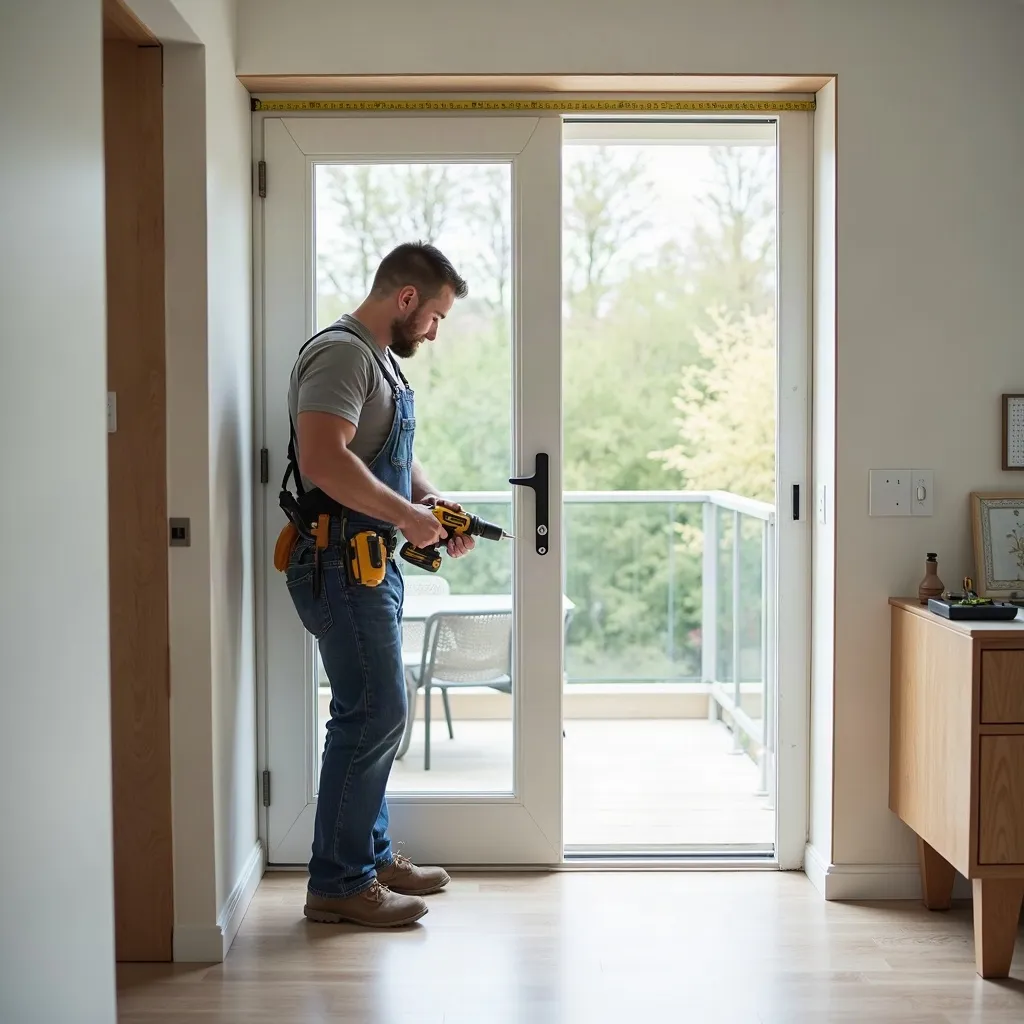
The Positive Aspects of Sliding Doors for Modern Homes
Sliding doors have increasingly turned into a preferred choice for modern homes, as they gracefully merge indoor and outdoor spaces. Their design boosts natural light, cultivating an airy, open atmosphere that can make even smaller rooms feel more grand. Additionally, the user-friendly design allows for convenient access to patios, gardens, or balconies, encouraging a more connected lifestyle.
Energy efficiency is another considerable advantage; many sliding doors feature double or triple glazing, preserving temperature control and reduce energy costs. The low-maintenance nature of sliding doors also attracts to homeowners, as they require scant upkeep in contrast with traditional copyrightd doors.
Additionally, their sleek design options can complement various architectural styles, offering both decorative value and utility. Overall, sliding doors deliver a effective answer for upgrading living spaces while bringing to a contemporary home environment.
Several Types of Sliding Doors to Reflect On
When contemplating the optimal sliding door for a home, it is essential to investigate the multiple styles in existence, each offering unique features and aesthetics. Conventional sliding doors often feature two panels that move along a track, giving a timeless look suitable for many homes. On the other hand, current styles often feature larger glass panels, maximizing natural light and establishing a seamless shift between indoor and outdoor spaces. Bi-fold sliding doors are increasingly popular, allowing for expansive openings that can alter a room when fully opened. For a more modern touch, pocket sliding doors slide into the wall, saving space and offering a minimalist appearance. Finally, barn-style sliding doors, with their rustic charm, add character to any interior, resonating to those seeking a blend of style and function. Each style presents distinct advantages, making it vital for homeowners to examine their specific needs and design preferences.
Choosing Gliding Door Finishes
Selecting the right materials for sliding doors is essential for both performance and aesthetics. Various materials offer distinct advantages, influencing longevity, maintenance, and appearance.
Wood, for instance, provides a warm and timeless aesthetic, but demands consistent maintenance to prevent warping and weather damage. Metal, particularly aluminum, is known for its durability and minimal upkeep, making it suitable for modern aesthetics. Glass is yet another favored option, allowing for clear sightlines and daylight; however, it requires careful consideration regarding thermal performance and protection.
Composite materials combine the benefits of wood and synthetic substances, providing enhanced durability without compromising appearance. Ultimately, the selection of material should mirror the homeowner's style tastes and practical needs, ensuring that the sliding doors not only improve the space but also withstand the test of time. Prioritizing quality in material choice is essential for achieving durable and visually appealing sliding door solutions.
How Sliding Doors Improve Natural Light and Space?
An abundance of daylight and an sense of spaciousness are two significant benefits provided by well-designed sliding doors. These doors typically include expansive glass surfaces that permit natural light to flood interiors, creating a warm and inviting environment. This flow of natural light not only enhances the aesthetic appeal of a space but also promotes improved mood and well-being.
Moreover, pocket doors can optically enlarge spaces, giving them a sense of larger and more open. Unlike conventional swing doors that require additional space for functioning, sliding doors move along a rail, maximizing usable floor space. This architectural feature is especially advantageous in compact residences or condos where every square foot counts.
DIY and Professional Sliding Door Installation: How to Determine Your Best Choice?
When evaluating sliding door installation, homeowners often weigh the advantages of DIY versus enlisting professionals. Key aspects include cost evaluations, individual skill levels, and the time required to complete the project efficiently. Each option presents distinct advantages that can markedly impact the overall outcome and satisfaction with the installation.
Cost Evaluation And Financial Plan
While homeowners often weigh the strengths and weaknesses of fitting sliding doors themselves versus bringing in professionals, financial matters play a significant role in this decision. DIY installation may initially seem more economical, as it does away with labor costs. However, homeowners must consider potential expenses for instruments, materials, and any mistakes made during the process, which can drive up costs unexpectedly. Conversely, professional installation typically demands higher upfront costs but assures quality and efficiency, potentially bringing savings in the long run by avoiding future repairs. Ultimately, the choice between DIY and professional installation rests on balancing initial expenses with long-term value, making it necessary for homeowners to assess their financial situations carefully before making a decision.
Competency Level And Expertise
Cost considerations play a key role in the decision between DIY and specialist sliding door installation. Individuals with a solid background in home improvement may opt for the DIY method, confident in their capability to manage tools and adhere to installation instructions. This method can save money but demands a reliable understanding of structural integrity and alignment. Conversely, those without experience might find professional installation more appropriate, ensuring the door operates efficiently and securely. Experts provide skill and reduce the risk of errors that could result in added expenses down the line. Ultimately, the choice depends on one’s skill level and comfort with home projects, balancing possible savings against the assurance of quality workmanship.
Time Commitment And Efficiency
Although the option between DIY and professional sliding door installation often centers on skill level, time investment plays a important role as well. DIY buffs may find joy in the challenge, yet the process can be time-draining, often requiring thorough analysis, preparation, and potential problem-solving. Rather than that, turning to professionals typically confirms a faster installation, as skilled technicians can solve challenges competently. This expertise minimizes disruptions and allows homeowners to benefit from their new doors promptly. In addition, the time saved by opting for professional help can be priceless, chiefly for those with hectic schedules. To summarize, analyzing time investment against skill and efficiency can guide homeowners in making the best decision for their sliding door installation needs.
Important Care Advice for Extended-Life Sliding Doors
Protecting sliding doors matters for prolonging their functional life and dependability. Systematic track maintenance, effective lubrication methods, and planned assessments for wear and tear can significantly boost their working capacity. By adopting these vital upkeep guidelines, dwellers can preserve the durability and frictionless operation of their sliding doors.
Consistent Track Care
Regular track maintenance is crucial in ensuring the longevity and smooth operation of sliding doors. Built-up dirt, debris, and dust can obstruct the door’s movement, causing potential damage and deterioration. Regular upkeep includes checking the tracks for any accumulation and using a brush or vacuum to eliminate loose particles. A damp cloth can be used to wipe down the tracks, ensuring a clean surface for optimal performance. Additionally, checking for any signs of corrosion or wear can detect issues before they worsen. Maintaining clean tracks not only enhances the appearance of the doors but also contributes to their overall strength, promoting a smooth sliding operation for many years ahead.
Lubrication Practices
Proper oiling is crucial for the optimal performance and durability of sliding doors. Regular application of lubricant to the tracks and rollers lowers friction, ensuring smooth operation. It is recommended to use a silicone-based lubricant, since it repels dust and grime, which can collect and obstruct movement. A spray lubricant can be applied directly on the rollers and track, followed by moving the door to evenly distribute the lubricant. Excess lubricant should be wiped off to prevent buildup. Routine lubrication, ideally every six months, enhances the door's functionality and lowers wear and tear. Maintaining proper lubrication allows homeowners to enjoy smooth access and increase the lifespan of their sliding doors.
Inspection for Harm
Conducting inspections on sliding doors for damage is a key step in ensuring their longevity and optimal performance. Frequent evaluations should include the frame, tracks, and glass panels. Visible cracks or chips in the glass can threaten safety and energy efficiency, while degraded or incorrectly aligned tracks might hamper smooth operation. The weather stripping must be inspected as well; damaged seals can result in drafts and higher energy costs. Additionally, inspecting metal components for rust or corrosion is important, as these problems impact durability. If any damage is found, it should be addressed immediately through repairs or replacement. By being diligent with inspections, homeowners can extend the lifespan of their sliding doors and boost their overall effectiveness.
Strengthening Sliding Door Safety
Enhancing sliding door safety is essential for safeguarding homes and commercial properties. Sliding doors, while practical, can be susceptible entry points for intruders. To enhance security, homeowners can add premium locks specifically designed for sliding doors. These locks offer an extra layer of protection compared to conventional mechanisms.
Furthermore, installing protective barriers and lift-prevention mechanisms can prevent illicit entry by stopping the door from being raised out of its track. Reinforced glass is another important improvement, as it resists breaking and improves longevity.
Consistent maintenance is also vital; ensuring that tracks are clean and clear of debris can thwart malfunctions. Homeowners should consider using smart technology, such as sensors and alarms, which can notify them to potential security threats. By putting in place these solutions, individuals can greatly enhance the security of their sliding doors, guaranteeing peace of mind while maintaining ease of access.
Common Questions Posed
What Are the Typical Costs of Setting Up Sliding Doors?
The typical expenses of installing sliding doors generally fall from $1,000 to $3,000, based on materials, size, and complexity of installation. Extra costs may occur from custom modifications and taking out of existing doors.
Are Sliding Door Systems Customizable to Special Spaces?
Yes, glass sliding doors can be personalized to fit unique spaces. Alternatives offer varying sizes, materials, colors, and aesthetics, allowing homeowners to craft a tailored look that assessment accents their exact design requirements and personal style preferences.
Are Sliding Patio Doors Considered Energy-Conscious Possibilities?
Sliding doors represent energy-conserving alternatives when outfitted with proper insulation and low-emissivity glass. Their construction minimizes air leakage, enhancing thermal performance, which contributes to decreased energy costs in residential and commercial spaces.
What's the Best Way to Measure for Sliding Door Placement?
To evaluate for sliding door installation, one should identify the height and width of the opening. It's vital to record at three points: top, middle, and bottom for precise dimensions, considering any obstructions.
What Do We Find Common Sliding Door Repair Issues?
Common sliding door troubleshooting issues consist of misalignment, difficulty sliding, damaged tracks, worn rollers, and gaps that allow drafts. Routine upkeep can often resolve these problems, ensuring smooth operation and proper sealing against the elements.
Report this page